
Guide to: Best Practices for Geo-Technical Drilling
Choose appropriate bits for accurate sampling, soil analysis, and challenging geotechnical site investigations.
Hard Formation Penetration
Unconsolidated Soil & Clay Management
High Durability in Abrasive Ground
Precision Compatibility
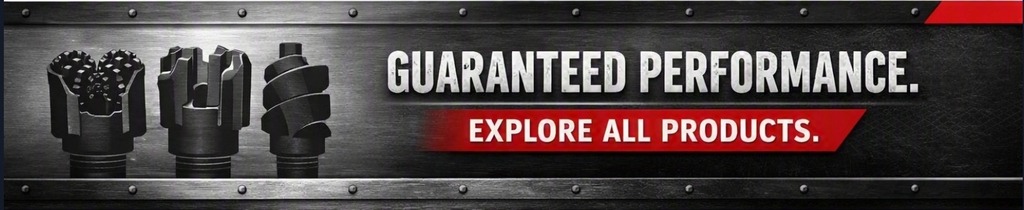
Utilize robust 4-wing PDC bits or multi-blade configurations (such as the Diamond Devil 7-Blade PDC) engineered with open-body geometry. This design breaks through consolidated rock and hard strata efficiently while maximizing rate of penetration (ROP).
For shallow, mixed, or sticky overburden—suchttps://palmerbit.com/drill-bitsh as clay and shale—select bits with optimized cutting face relief and specialized fluid ports. Proper clearance prevents bit balling and plugging, allowing smooth transition from topsoil to bed rock.
In corporate or construction site sampling where ground conditions are unpredictable, employ bits with heavy-duty carbide inserts and reinforced body designs. This reduces cutter shear and premature wear during high-impact drilling.
Match bit thread profiles and connection types directly to specialized geotechnical drill rigs (including compact and rotary setups) to maintain drill string stability and preserve torque transmission under heavy axial loads.